
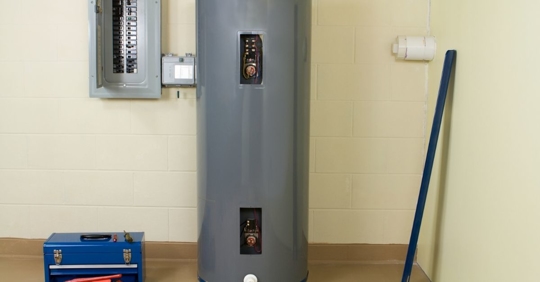
A reliable water heater is one of the unsung heroes of any home. From warm showers to washing dishes and laundry, we depend on it daily—often without thinking about it. But water heaters don’t last forever, and knowing when it’s time to upgrade can save you from inconvenient cold showers, high energy bills, and unexpected repair costs. In this guide, we’ll walk you through the key signs your water heater may need replacing, the different options available, and how to plan a timely, cost-effective upgrade.
Signs Your Water Heater May Need Replacing
Age and Efficiency
Water heaters have a limited lifespan, typically around 10 to 15 years for traditional tank models. As your unit ages, it may struggle to maintain consistent water temperatures and consume more energy, driving up utility bills. Sediment buildup inside the tank can further reduce efficiency, causing longer wait times for hot water and uneven performance.
To determine your water heater’s age, check the manufacture date on the serial number sticker, usually located on the upper portion of the tank. Monitoring your water heater’s age and efficiency can help you anticipate when an upgrade is necessary, ensuring you avoid sudden failures.
Performance Issues
Performance problems are often the first noticeable sign that a water heater needs attention. Watch for these common issues:
- Inconsistent water temperatures
- Delays in hot water reaching faucets
- Reduced hot water supply
- Strange noises like popping or rumbling from the tank
These issues may indicate failing heating elements, sediment buildup, or overall wear and tear. While regular maintenance can extend the life of a water heater, erratic performance is a strong signal that replacement is the most practical solution. Addressing these problems early can prevent inconvenient disruptions and costly emergency repairs.
Understanding Your Water Heater Options
Conventional vs. Tankless
Choosing the right water heater starts with understanding the two primary types: conventional tank models and tankless systems.
- Conventional water heaters store a set amount of hot water and maintain it at a constant temperature. They typically cost less upfront but may consume more energy over time. These units require sufficient space for installation.
- Tankless water heaters heat water on demand, offering a compact design and improved energy efficiency. While initial costs are higher, they often result in lower monthly utility bills and an unlimited hot water supply.
Evaluate your household needs, space availability, and long-term energy goals when deciding which type fits best for your home.
Energy-Efficient Models
Modern water heaters are far more efficient than older models. When shopping for a replacement, consider these factors:
- Look for units with a high energy factor (EF) rating for optimal efficiency.
- Check for ENERGY STAR certification to ensure environmentally friendly performance.
- Compare estimated annual operating costs using the EnergyGuide label to make a cost-effective choice.
Upgrading to an energy-efficient model can reduce utility bills and contribute to a more sustainable home without sacrificing performance.
Weighing Costs and Benefits
Long-term Savings
Though the upfront cost of a new water heater may seem significant, the long-term savings often outweigh the investment. Benefits include:
- Lower energy bills from improved efficiency
- Reduced risk of costly emergency repairs
- Potential eligibility for rebates or incentives on energy-efficient models
By planning ahead, an upgrade can save money over time while providing reliable hot water for your household.
Initial Investment Costs
Installation costs vary depending on the water heater type:
- Conventional tank models: average around $1,500, including installation
- Tankless models: can exceed $3,000, including installation
Keep in mind that these costs may include additional plumbing or electrical work to accommodate the new system. Financing options or multiple quotes from qualified professionals can help make the investment more manageable.
Timing Your Water Heater Upgrade
Seasonal Considerations
Timing your upgrade strategically can save money and minimize inconvenience. Spring and fall are typically off-peak seasons for installations, meaning you may find better availability and competitive pricing. Proactively scheduling an upgrade helps prevent sudden failures, especially during cold months when hot water is essential.
Planning for Future Needs
Consider how your household may change in the coming years. Some factors to keep in mind include:
- Growing family or increased hot water usage
- Upcoming home renovations
- Transitioning to renewable energy solutions like solar power
- Plans to sell the home in the near future
Anticipating future needs ensures you select a water heater that serves your household effectively for years to come.
Professional Guidance and Support
Expert Consultation
Working with licensed plumbers or water heater specialists provides valuable insights into your home’s specific requirements. Professionals can recommend the best system for your household, ensure proper installation, and help you navigate safety standards and efficiency options. Expert advice saves time and prevents costly mistakes.
DIY vs. Professional Installation
While DIY projects can be tempting, water heater installation involves technical and safety considerations:
- Electrical connections or natural gas hookups
- Proper venting and pressure regulation
- Compliance with local building codes
Hiring a professional guarantees a safe installation, often with warranties and ongoing support, offering peace of mind that your water heater will operate efficiently and reliably.
If you need a New Water Heater, Call Howdy Plumbing
Upgrading your water heater at the right time can improve comfort, increase energy efficiency, and prevent unexpected breakdowns. If your current unit is showing signs of age or underperformance, reach out to Howdy Plumbing for a smooth, safe transition to a new, efficient system tailored to your home’s needs.
Call Howdy Plumbing now at (916) 546-7954 or send us a message online.